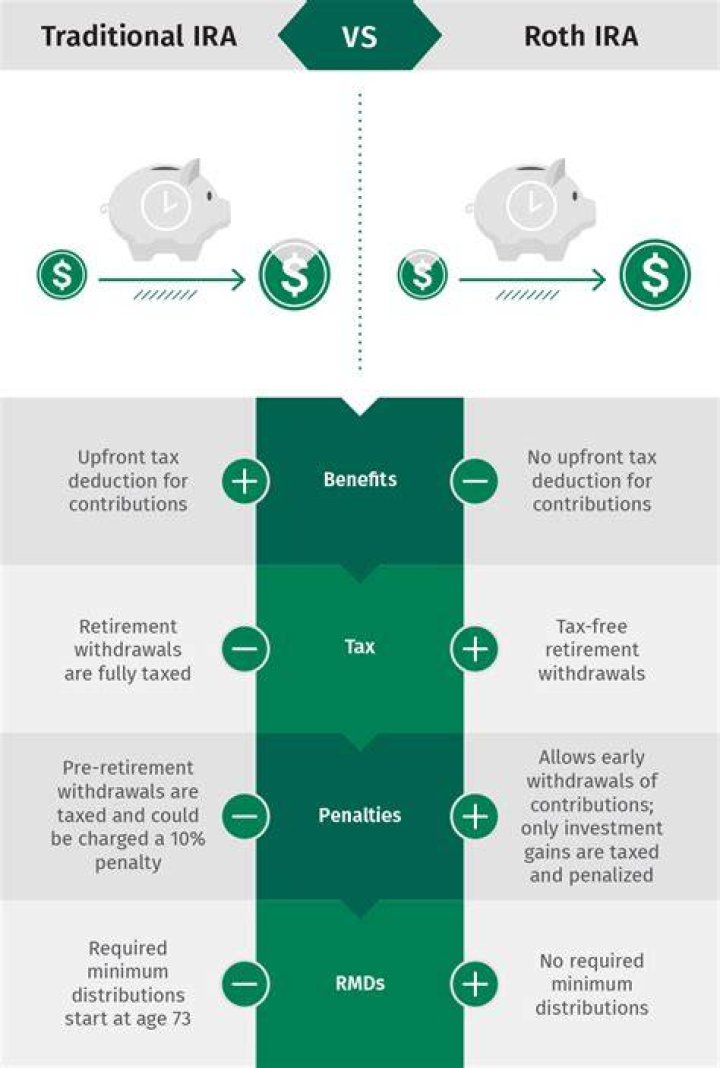
How to Liquidate IRA’s & Tax Implications. For traditional IRAs, if you’re not 59 1/2, your distribution is non-qualified. For Roth IRAs, your account has to be at least five tax years old and you have to be either 59 1/2, permanently disabled, or using no more than $10,000 to buy your first home.
How much tax do I have to pay after liquidating my IRA?
If you liquidate your IRA, you will generally have to pay tax on the money in the account at your normal tax bracket rate. If you’re under age 59 1/2 when you do so, and you don’t meet certain exceptions, you’ll also owe the IRS a 10 percent penalty tax on top of your normal tax.
What are the rules for IRA withdrawals after age 59?
Rules for IRA Withdrawals After Age 59 1/2 1 Basics of IRA Withdrawals. IRA withdrawals must be included in taxable income for the year if you did not pay taxes on the money in the year you made the 2 Early IRA Distributions. 3 Required Minimum Distributions. 4 Contributing After Age 70 1/2. 5 Differences for Roth IRAs. …
When do you have to take money out of an IRA?
Retirement accounts with tax benefits are governed by strict rules that can limit your access to funds. Withdrawals from an IRA made before the age of 59 1/2 are considered “early distributions” and may be subject to tax penalties.
Can a 60 year old take money out of an IRA?
Once you reach the age of 60, you can breathe a sigh of relief. You’ve outlived traditional IRA early withdrawal penalties and restrictions established by the Internal Revenue Service. And if you own a traditional IRA, you haven’t yet seen the boom of required minimum distributions come crashing down.
How old do you have to be to withdraw from a traditional IRA?
Exceptions to the Early Distribution Penalty. If you are under the age of 59½, you may make taxable, but penalty-free withdrawals from your traditional IRA under certain circumstances.
Can a 70 year old contribute to a traditional IRA?
You can’t make regular contributions to a traditional IRA in the year you reach 70½ and older. However, you can still contribute to a Roth IRA and make rollover contributions to a Roth or traditional IRA regardless of your age.