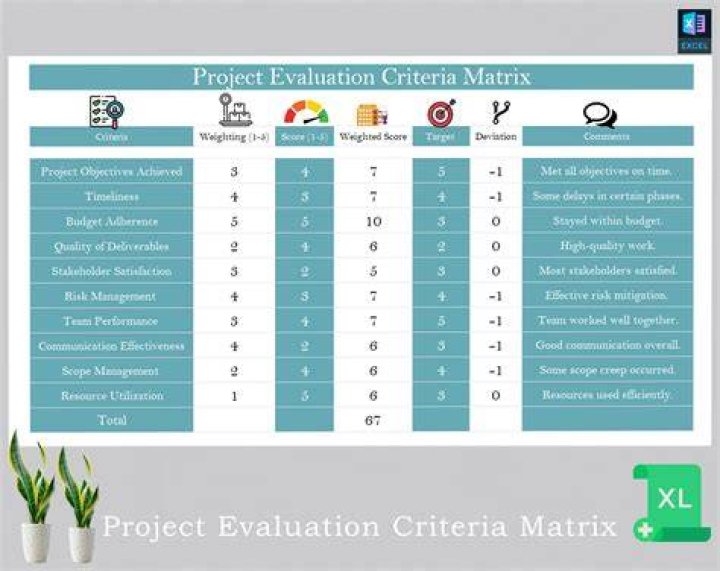
Evaluation criteria
- Relevance.
- Coherence.
- Effectiveness.
- Efficiency.
- Impact.
- Sustainability.
- Rating scale.
How do you evaluate the effectiveness of a project?
5 Ways To Measure Project Success
- Schedule. Project management success is often determined by whether or not you kept to the original timeline.
- Quality. The end of a project phase is a good time for a quality review.
- Cost.
- Stakeholder Satisfaction.
- Performance to Business Case.
What are the steps to evaluate?
- STEP 1: CLARIFY WHAT IS TO BE EVALUATED.
- STEP 2: ENGAGE STAKEHOLDERS.
- STEP 3: ASSESS RESOURCES AND EVALUABILITY.
- STEP 4: DETERMINE YOUR EVALUATION QUESTIONS.
- STEP 5: DETERMINE APPROPRIATE METHODS OF MEASUREMENT AND.
- STEP 6: DEVELOP EVALUATION PLAN.
- STEP 7: COLLECT DATA.
- STEP 8: PROCESS DATA AND ANALYZE RESULTS.
Which is the first step of evaluation control?
STEP 1: CLARIFY WHAT IS TO BE EVALUATED Begin with a clear description of what is to be evaluated (e.g. program, policy, or health communication initiative) so that it can be shared. Consider developing a logic model that includes goals, activities, outputs, and outcome objectives.
What is evaluation tools and techniques?
These include Tests, aptitude tests, inventories, questionnaires, observation schedules etc. All these sources give data which are organised to show evidence of change and the direction of that change. A test is thus one of the assessment instruments. It is used in getting quantitative data.
Who is father of evaluation techniques?
Ralph W. Tyler (22 April 1902-18 February 1994) is often referred to as “The Father of Evaluation or Father of Behavioral Objectives.” He is associated with curriculum theory and development and educational assessment and evaluation.