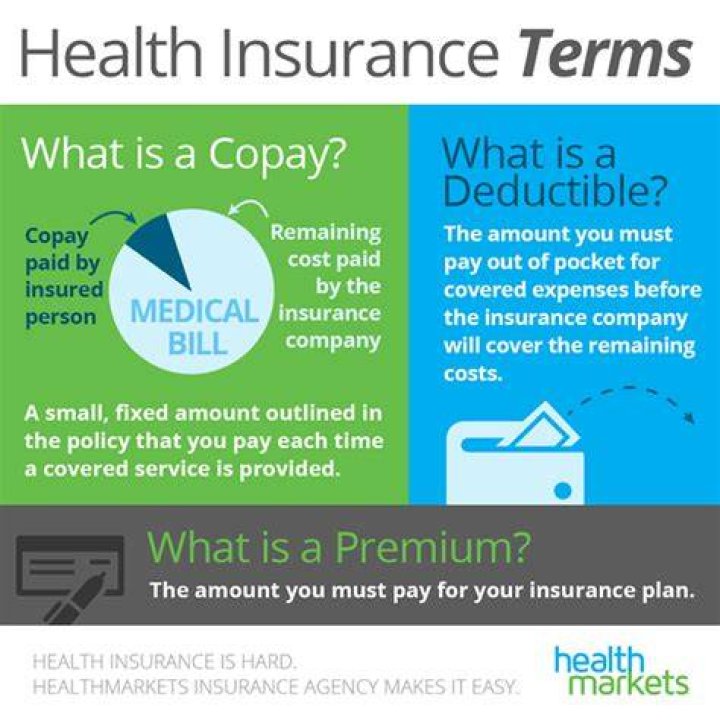
The amount you pay for covered health care services before your insurance plan starts to pay. With a $2,000 deductible, for example, you pay the first $2,000 of covered services yourself. After you pay your deductible, you usually pay only a copayment or coinsurance for covered services.
What does it mean when insurance says deductible does not apply?
Not subject to the deductible
“Not subject to the deductible” = You Pay Less But when a service is not subject to the deductible, it means you’ve actually got better coverage for that service.
What is not subject to deductible?
Not subject to deductible: In deductible plans, some medical services are covered immediately and therefore are “not subject to deductible.” This means that from your first day of coverage, you can receive these services for the standard copayment or coinsurance, without having to first satisfy the deductible.
How is the deductible determined on a health insurance plan?
How those costs are determined depends on different aspects of your plan, including the deductible. The deductible is the dollar amount that you must pay out of pocket before your health insurance begins paying for covered medical expenses.
What can you do with a high deductible health plan?
High deductible health plans carry higher deductibles, but they can offer access to health savings accounts, or HSAs, which can be used to pay future healthcare expenses. The amount you pay for your health insurance deductible correlates to what you pay for health insurance premiums.
What’s the deductible for a major medical event?
Let’s say you have a health insurance plan with a $500 deductible. A major medical event results in a $5,500 bill for an expense that is covered in your plan. Your health insurance will help in paying for these costs, but only after you’ve met that deductible.
Can a self employed person deduct the cost of health insurance?
Self-employed individuals who meet certain criteria can deduct premiums, even if they don’t meet the 10% threshold. However, they can’t deduct more than the amount of income their business generated. Roughly half of Americans receive health insurance through an employer-based plan, according to eHealthInsurance.