In order to reduce costs for your high-deductible health plan, here are eight ways to contain your costs and still obtain needed care.
- Get the right level of care.
- Shop around for health care services.
- Use in-network providers.
- Save on medication costs.
- Ask questions about reducing health care costs.
- Negotiate prices.
Is a high deductible plan bad?
Yes, high deductible health plans keep your monthly payments low. But they put you at risk of facing large medical bills you can’t afford. Since HDHPs generally only cover preventive care, an accident or emergency could result in very high out of pocket costs.
Are high deductible plans cheaper for employers?
HDHP annual plan averages — and the benefits of HDHPs Here are average costs for employer-sponsored HDHPs for the 2020 plan year via Kaiser Family Foundation. The main benefit of HDHPs is that they generally offer cheaper health insurance premiums.
What is better high deductible or low deductible?
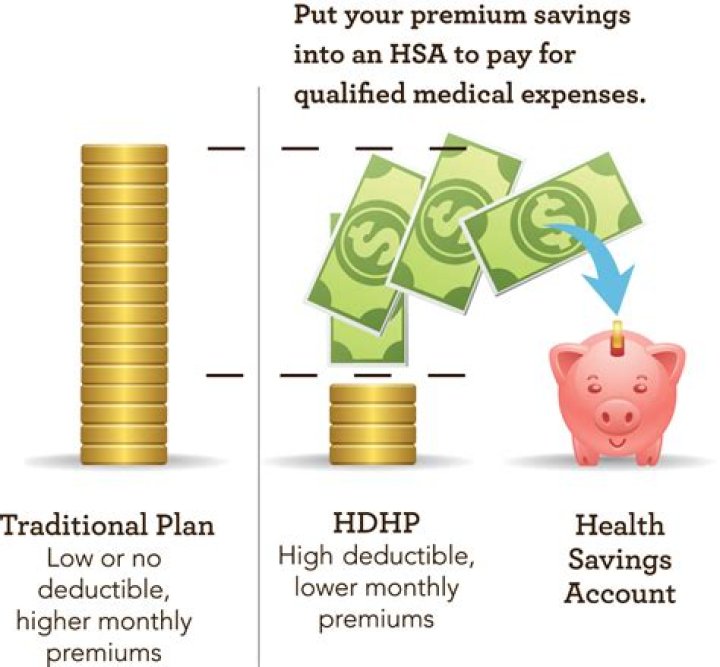
Low deductibles are best when an illness or injury requires extensive medical care. High-deductible plans offer more manageable premiums and access to HSAs. HSAs offer a trio of tax benefits and can be a source of retirement income.
What do you need to know about high deductible health plans?
High Deductible Health Plan (HDHP) The IRS defines a high deductible health plan as any plan with a deductible of at least $1,350 for an individual or $2,700 for a family. An HDHP’s total yearly out-of-pocket expenses (including deductibles, copayments, and coinsurance) can’t be more than $6,650 for an individual or $13,300 for a family.
What’s the maximum deductible for a HDHP plan?
An HDHP’s total yearly out-of-pocket expenses (including deductibles, copayments, and coinsurance) can’t be more than $6,900 for an individual or $13,800 for a family. (This limit doesn’t apply to out-of-network services.)
What are benefits of enrolling in HDHPs and HSAs?
What are HDHPs & HSAs? One way to manage your health care expenses is by enrolling in a High Deductible Health Plan (HDHP) in combination with opening a Health Savings Account (HSA).
Can a self employed person keep their HSA?
If you cease to be self-employed, you can keep your self-employed HSA. You can also keep it if you change jobs, stop working or switch to health insurance coverage that is not an HDHP. The rule with an HSA is that you can use it as long as it has funds, but you may only contribute to it when it is paired with a high deductible health plan.